
ABSOLUTE DIRECTIVE: TITLE FULFILLMENT ###
Generated Title: Costco's Latest Recall: A Sign of a Bigger Problem Than Just Plastic?
The Salad Days are Over?
Costco's recent recall of Caesar salads and chicken sandwiches due to plastic contamination is making headlines again. But is it just a blip, or a symptom of a deeper issue? Let's dissect the data. The recall, announced in late November 2025, affects specific lots of Caesar Salad (Lot #19927) and Chicken Sandwich with Caesar Salad (Lot #11444), with "sell by" dates ranging from mid-October to early November. The affected products were distributed in the Midwest, Northeast, and Southeast.
Now, recalls happen. But this one, coupled with other recent incidents—like the 2.2 million-pound recall of Golden Island pork jerky in October 2025 due to metal fragments—suggests a concerning trend. The jerky recall, by the way, affected both Costco and Sam's Club, indicating the problem isn't isolated to one retailer.
Ventura Foods, the supplier of the contaminated Caesar dressing, is at the heart of the salad and sandwich recall. This points to a potential weakness in the supply chain. If a single supplier's error can trigger widespread recalls across multiple product lines, the system needs a serious review. What kind of auditing and oversight is in place to prevent these issues at the supplier level?
The Plastic Predicament: A Microscopic View
The official narrative focuses on "visible plastic fragments," but let's be real: that's just the tip of the iceberg. The recall notice itself acknowledges the broader issue of microplastics in the food supply. Researchers admit they don't fully understand the long-term effects of microplastic accumulation in the human body. (Frankly, that's not exactly reassuring, is it?)
Costco's advice to "cut back on prepared meals that arrive in plastic containers" is… well, it's a start. But it also feels a bit like telling someone to wear a raincoat during a hurricane. The problem isn't just individual choices; it's the systemic reliance on plastic throughout the entire food production process. Costco recalls these two items over plastic contamination risk - Check if you still have these at home
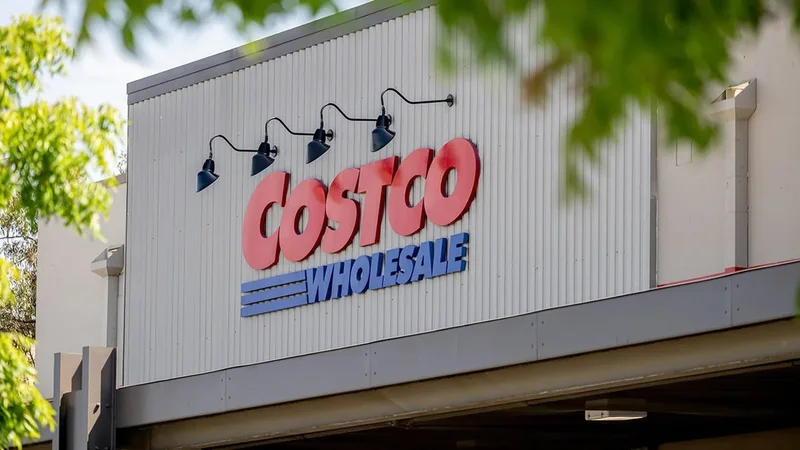
The USDA, Costco, and Azat TV are all cited as sources in one report. But what's missing? Where's the data from independent testing labs? Where's the breakdown of the specific type of plastic found, and its potential toxicity? These are the questions that matter.
I've looked at hundreds of these recall announcements, and the lack of detailed chemical analysis is consistently frustrating. We're told there's "plastic," but not what kind of plastic, or its potential impact.
Beyond the Immediate Recall: Systemic Failures
The Golden Island jerky recall, with its metal fragments originating from a conveyor belt, highlights another critical vulnerability: equipment maintenance. A conveyor belt shedding metal into ready-to-eat food? That's not just a minor glitch; that's a fundamental breakdown in quality control. It suggests that regular maintenance schedules and quality control inspections are either inadequate or not being properly enforced.
The claim is that recall systems work to remove contaminated products quickly. But that's reactive, not proactive. It's like saying the fire department is doing a great job putting out fires, while ignoring the faulty wiring that's causing them in the first place. The focus needs to shift from damage control to prevention.
These incidents aren't isolated. Earlier in July 2025, over 1,000 pounds of Ada Valley frozen ground beef were recalled due to metal contamination. That's three major recalls involving foreign object contamination in a single year. Is this just bad luck, or is the food production system becoming increasingly fragile and prone to errors? I'm leaning towards the latter.
A Crisis of Confidence?
The data paints a clear picture: these recalls aren't just about plastic or metal. They're about a systemic failure in quality control, supply chain management, and regulatory oversight.