Porto's Win: The Numbers Don't Hype, They Clarify
Porto has snagged the title of Europe’s Best Tourist Destination for 2025, according to the World Travel Awards. And while press releases are bubbling with enthusiasm, let's dissect what this actually means for the future of urban tourism. Is this just another fleeting popularity contest, or does Porto’s win signal a fundamental shift in what travelers value? (Porto Takes the Spotlight as Europe’s Best Tourist Destination for 2025, Boosting Portugal’s Tourism Boom)
Authenticity vs. Scale: A Tourist's Dilemma
The marketing narrative emphasizes Porto’s "unique blend of historic charm, modern vibrancy, and commitment to sustainable tourism practices." Okay, but every city claims that, right? The key is the scale at which Porto delivers. Consider the claim that travelers are seeking "authentic experiences over traditional mass tourism." That's a qualitative statement ripe for some quantification.
One source notes that Porto beat out Amsterdam, Barcelona, and Berlin. These are cities known for, well, mass tourism. Amsterdam sees roughly 20 million tourists annually, Barcelona is in the ballpark of 12 million, and Berlin hovers around 14 million. Porto? Estimates put it closer to 4 million (pre-award, of course). That's a significant order of magnitude difference.
The question then becomes: at what point does "tourism" overwhelm "authenticity"? It's a tricky calculation. What I mean is, there’s no definitive tipping point. But the anecdotal evidence from online travel forums (a surprisingly useful, if messy, data set) suggests a correlation between tourist density and perceived authenticity. People complain when cities become "theme parks" designed solely for tourists, pushing out local businesses and culture.
Walkability and Sustainability: Beyond Buzzwords
Porto’s urban structure is frequently cited as a key factor in its appeal. The claim is that its compact, walkable layout offers a more "intimate and immersive" experience. Again, let's add some rigor. Porto's city center is roughly 4 square miles. Compare that to, say, Los Angeles (469 square miles) or even Paris (41 square miles). That compactness translates directly to walkability, reducing the need for cars and public transport (though, improvement of public transport is mentioned in the fact sheet).
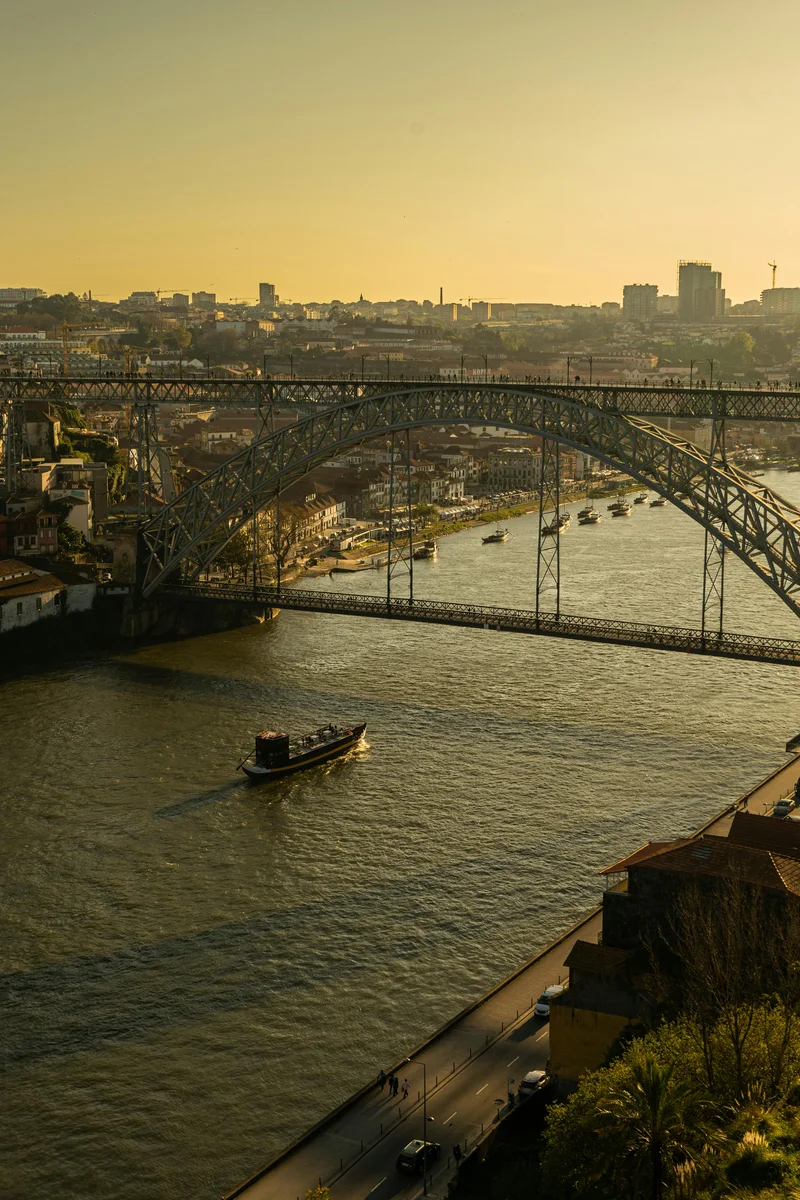
And this is the part of the report that I find genuinely compelling. The shift towards "sustainable tourism" isn't just about carbon footprints; it’s about the experience of travel. Walking, cycling, and smaller-scale transport options (like those "eco-conscious tuk tuk experiences") force you to engage with the city on a human level. You notice the architecture, the smells, the sounds, the people. You're not just shuttling from one landmark to another in an air-conditioned bus.
One source mentions a focus on "low-impact travel." Okay, let's be honest, that's a vague term. But digging deeper, it's about reducing congestion, promoting heritage appreciation, and dispersing visitors across different neighborhoods. The opposite of what happens when everyone is crammed onto the same tour bus to the same five attractions.
Economic Impact vs. Cultural Preservation: The Tightrope Walk
The award is expected to boost Porto’s economy, attracting more international arrivals and local spending. But there's a potential downside: over-commercialization and the erosion of local culture. The city needs to carefully manage this growth, strengthening pedestrian infrastructure, protecting historic districts, and supporting local businesses.
The Portuguese government sees this as an opportunity to expand tourism offerings while preserving cultural and environmental heritage. That sounds great on paper, but the devil is always in the details. How exactly will they balance economic growth with cultural preservation? What metrics will they use to measure success? Details on these specific initiatives remain scarce, but the intent is clear.
More Than Just Another Trophy
Porto’s win isn’t just about pretty pictures and Instagrammable moments. It’s a sign that travelers are increasingly seeking substance over spectacle. The numbers don't lie: smaller scale, greater walkability, and a genuine connection to local culture are becoming increasingly valuable. If Porto can successfully navigate the challenges of growth, it could become a model for the future of urban tourism (or at least, a case study for urban planners to analyze).